Kerja pabrik di Australia: which factory jobs can a visa sponsor hire from overseas?
Tips · 2026-11-14 · 9 min read
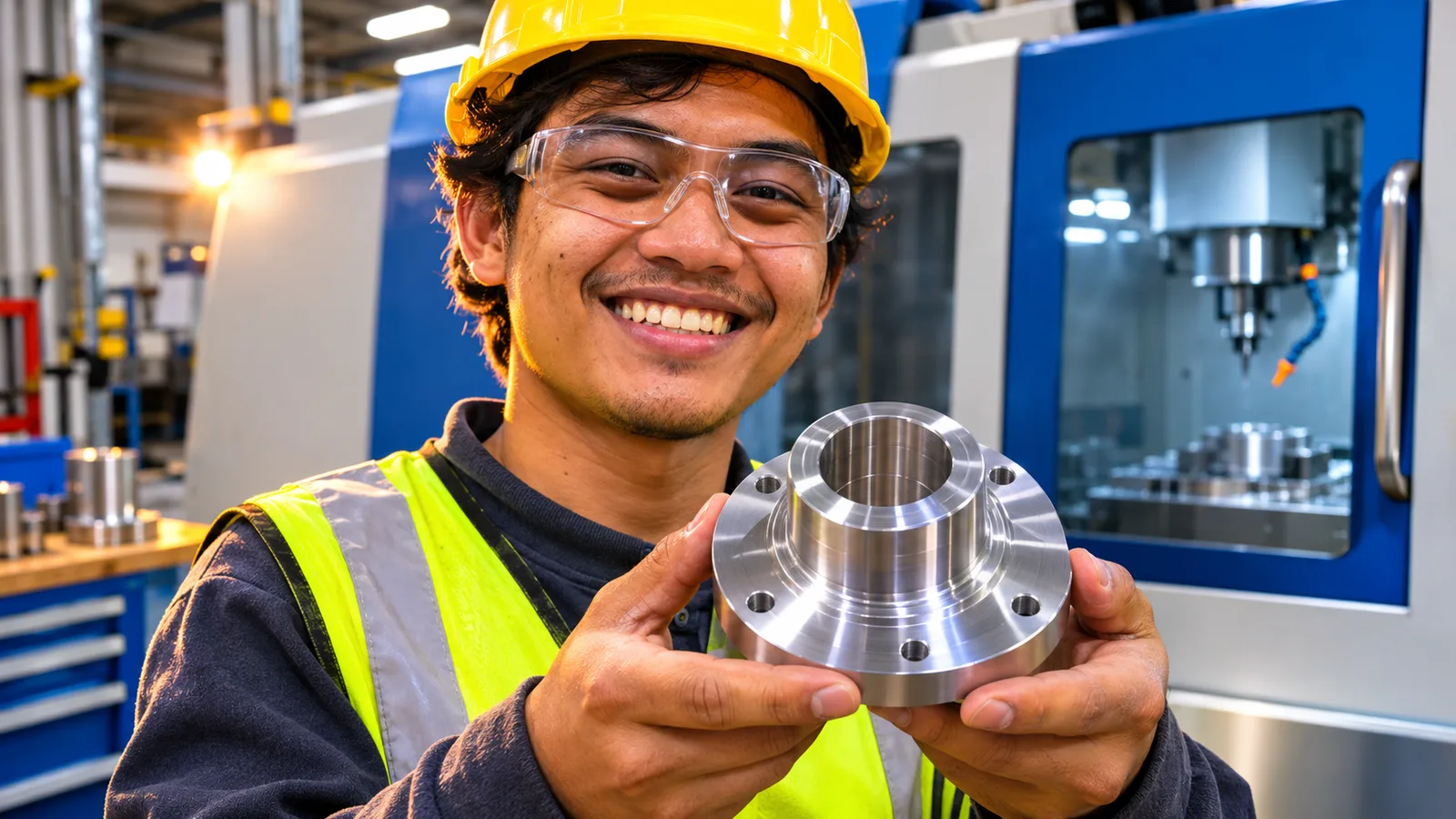
Kerja pabrik di Australia is possible through a visa sponsor only when the factory job matches an occupation the visa accepts and the employer is ready to nominate you. "Factory work" is not one job. A CNC machinist, a fitter and a packing-line worker may sit under very different occupations, with different rules for experience, skills assessment and pay. This guide shows how to tell them apart and what to ask before you spend money.
Skilled versus unskilled factory roles: why the label decides everything
In Indonesia, people say "pabrik" for almost any job inside a plant. Australian visa rules do not. They work from a named occupation, and the employer nominates one occupation for you. Home Affairs publishes a combined list of eligible skilled occupations that shows whether an occupation is on the Core Skills Occupation List, the Medium and Long-term Strategic Skills List, the Short-term Skilled Occupation List or the Regional Occupation List, and names its skills assessing authority.
So the useful question is not "is there a factory job?" but "which occupation would the employer nominate, and is it on the list?" A job that needs a trade, such as machining or fitting, is one kind of conversation. A general production or packing job is another. We do not claim which titles are on the lists today: the official page is the only place to confirm that, and it can change.
Our live jobs show the difference. You can find a CNC Machinist role in Sydney on JobsAbroad Indonesia, and the manufacturing category page lists the current manufacturing jobs. Open each one and read what the employer asks for.
What Indonesian workers do in Australia today
The 2021 Census counted 87,075 people born in Indonesia living in Australia. Among them, Professionals were the largest group at 24.9%, Clerical and Administrative Workers followed at 14.0% and Labourers at 13.9%. That tells you Indonesian-born people work across many kinds of jobs. It does not tell you how any of them got their visa, so do not read it as a promise that factory work is open to you.
For more on which kinds of work come with a sponsor, read our guide to jobs in Australia for Indonesians and visa sponsors.
The sponsored routes that come up for manufacturing
Most sponsored factory and trade roles go through the Skills in Demand visa (subclass 482), explained in our simple guide to the 482 visa. Home Affairs describes it as a temporary visa that lets an employer sponsor a suitably skilled worker for a position they cannot fill with a suitably skilled Australian. It has a Core Skills stream, a Specialist Skills stream and a Labour Agreement stream.
| Route | What the official page says | What it means for a factory worker |
|---|---|---|
| Core Skills stream (482) | The occupation must be on the Core Skills Occupation List and the worker paid the market salary rate for it, and no less than AUD79,423. | The job title must match a listed occupation. Pay below the threshold cannot be used. |
| Specialist Skills stream (482) | Nomination in ANZSCO Major Groups 1, 2, 4, 5 or 6 with a much higher salary threshold. | Usually not the route for hands-on production work. |
| Labour Agreement stream (482) | An agreement between the government and an employer, generally in effect for five years. | The employer must already hold or arrange one. Industry agreements exist for meat, pork, horticulture and others. |
A 482 holder may stay for up to 4 years with their sponsor. The employer may later be able to sponsor permanent residence through the Employer Nomination Scheme (subclass 186). Nothing here is certain, and the department decides every application.
If the plant is a meat or food plant, read our guide to meat-industry labour agreements. The official page on types of labour agreements explains what each one covers.
What you must show for a skilled production or machinist job
Four checks apply to most skilled roles. First, at least 1 year of relevant work experience in the nominated occupation or a related field, gained within the last 5 years. Second, a skills assessment where the occupation needs one. Third, English evidence. Fourth, the salary. Home Affairs lists the Core Skills stream requirements in full.
On the skills assessment, Home Affairs says some primary 482 applicants must have a mandatory assessment, by Trades Recognition Australia or VETASSESS depending on the occupation, and it must be started before the visa application is lodged or the application is not valid. It must have been undertaken or commenced within the 3 year period before the application. Trades Recognition Australia describes its Migration Skills Assessment Program as a documentary assessment that compares your qualifications and work history with Australian standards. It does not award a licence.
On English, 482 applicants holding passports from Canada, New Zealand, Ireland, the United Kingdom or the United States are exempt from the English test. An Indonesian passport is not on that list. There is also an exemption for people who completed at least 5 years of full-time study in a secondary or higher institution where most classes were in English. If you need a test, PractiseNow offers English test practice.
How to check a factory job offer: step by step
- Write down the exact duties in the offer: which machines, which tasks, which tools.
- Ask the employer, in writing, which occupation they plan to nominate and under which visa.
- Search that occupation on the combined list and note the list, the assessing authority and any ANZSCO details.
- Compare the salary in the offer with the market salary rate and the AUD79,423 threshold for the Core Skills stream.
- Gather proof of your last 5 years of work: payslips, contracts and reference letters from your old employers, with English translations if the visa rules need them. Build AI CV can help you put the duties into a clear English CV.
- Do not resign, sell property or buy tickets until you have a signed offer and a visa decision.
If you have an Indonesian trade certificate, our guide to documents to work in Australia from Indonesia lists the papers to prepare and the order to do them in.
Common mistakes Indonesian factory workers make
- Searching for "factory job" instead of the occupation. The visa works from the nominated occupation, so a vague title wastes weeks.
- Paying a middleman for a "sponsorship slot". Home Affairs says applicants must not provide a benefit in return for sponsorship, and cashback schemes are illegal.
- Assuming a visitor visa lets you start. You cannot work in Australia on an Electronic Travel Authority or a Visitor visa.
- Sending a passport to a WhatsApp contact. Scamwatch advises never sending identity documents unless you are certain the employer is genuine. Our checklist on fake job offers and the six tests to run shows how.
- Forgetting the Indonesian side. A prospective migrant worker should check KP2MI's rules before leaving, including SISKOP2MI registration and BPJS Ketenagakerjaan.
Factory work and the wider skills picture
Trade-type work is where our readers usually find the clearest sponsored routes. Our look at welders and fabricators in Australia shows the same pattern: the more clearly your work fits a named trade, the easier it is to explain to an employer. For another view from a reader in India, MigrateJobs published a post on which factory roles can be sponsored and which cannot. The rules are the same for every passport except where the official pages say otherwise.
Frequently asked questions
Can I get a visa sponsor for a general factory hand job?
It depends on the occupation the employer nominates, not on the everyday name of the job. The Skills in Demand visa asks for an occupation on the Core Skills Occupation List, so check the official combined list for the title that matches your real duties. If the role is not on a list the visa uses, a sponsored visa may not be possible for it.
Do I need a skills assessment to work in manufacturing in Australia?
Only some applicants do. Home Affairs says some primary 482 applicants must have a mandatory skills assessment, by Trades Recognition Australia or VETASSESS depending on the occupation. The assessing authority for your occupation is shown on the combined list, so look there before you pay for anything.
How much experience do I need for a sponsored factory or machinist job?
Subclass 482 applicants need at least 1 year of relevant work experience in the nominated occupation or a related field, gained within the last 5 years. Part-time or casual work must add up to at least 12 months full-time. Keep payslips, reference letters and contracts that show your real duties.
Can I pay the employer or an agent to sponsor me?
No. Home Affairs says applicants must not have asked for, offered, received or provided a benefit in return for visa sponsorship in the past 3 years. Cashback schemes, where an employer unreasonably requires payment in exchange for a job, are illegal in Australia. Treat any request for money as a scam warning.
Can I move to a different factory after I arrive?
Not freely. A subclass 482 holder may work only in the occupation they were nominated for and only for the nominating business, or in some circumstances an associated entity. If you want to change employer, check the visa conditions on the Home Affairs page first and do not start work for a new employer on your own.
Every case is different — book a consultation and our partner registered migration agents (MARA) will assess yours.
Key takeaways
- "Pabrik" is not an occupation: the employer nominates a named occupation, and you check it on the official combined list.
- The Core Skills stream asks for a listed occupation, market-rate pay and at least AUD79,423.
- You need at least 1 year of relevant experience from the last 5 years, plus a skills assessment where the occupation requires one.
- No worker should ever pay for sponsorship, and a visitor visa never allows work.
- Do not resign or buy tickets until you hold a signed offer and a visa decision.
#kerja pabrik di australia #factory jobs australia #manufacturing jobs visa sponsorship #482 visa #lowongan pabrik australia #production worker australia #cnc machinist australia #jobs in australia for indonesians
 Skills assessment Australia Indonesia: what cooks, welders and fitters may need to prove first
 Kerja butcher di Australia: is a meat-industry labour agreement your way in?
 Interview kerja luar negeri palsu? 7 signs your "employer" on the call is fake